


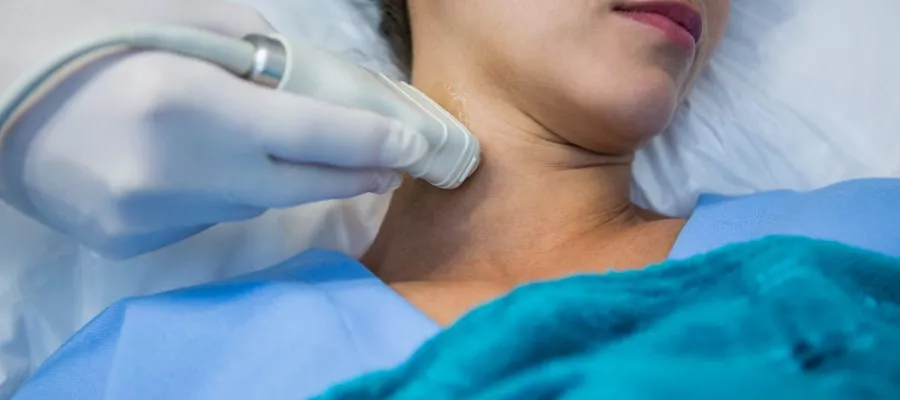
What Is Goiter Surgery?
Goiter surgery is the surgical removal of all or part of an enlarged thyroid gland. This operation is performed in cases of thyroid nodules, compression symptoms, uncontrolled hormone production, or suspicion of cancer. During the procedure, a small incision is made at the front of the neck and the thyroid tissue is carefully removed.
The procedure is generally performed under general anesthesia. After goiter surgery, risks such as hoarseness, bleeding, and low calcium levels are monitored. The pathology result determines the continuation of treatment planning. With appropriate patient selection and an experienced surgeon, goiter surgery provides safe outcomes.
Why Is Goiter Removed Surgically?
Goiter is surgically removed if there is difficulty breathing or swallowing, suspicion of cancer, or uncontrolled hyperthyroidism. An enlarged thyroid gland may press on the esophagus or trachea. This pressure can cause neck swelling, shortness of breath, and difficulty swallowing.
If a suspicious nodule or risk of thyroid cancer is detected in biopsy, surgery is preferred. In some patients, goiter surgery offers a permanent solution for hyperthyroidism that does not respond to medication. The scope of the operation may include removal of one thyroid lobe or the entire gland. The decision is made individually based on ultrasound, hormone tests, and, if necessary, fine-needle biopsy.
In Which Cases Is Goiter Surgery Necessary?
Surgery may be required in cases of goiter that do not respond to medical treatment, grow rapidly, or carry suspicion of cancer. Compression of the esophagus or trachea by the goiter may also make surgery necessary. Early intervention is important if there is a possibility that the nodules are malignant.
Symptoms include hoarseness, difficulty swallowing, and bothersome swelling in the neck. Surgery may also be planned if hyperthyroidism cannot be controlled. The decision for surgery is made after evaluation by a specialist physician. Surgery is not mandatory for every goiter patient; the condition is clarified through individual analysis.
How Is Goiter Surgery Performed?
Under general anesthesia, goiter surgery is performed surgically through an incision in the neck area. All or only the problematic part of the thyroid gland is removed. The duration of the operation averages between 1–2 hours. During surgery, efforts are made to protect the vocal cords and parathyroid glands.
After the procedure, the patient may be discharged on the same day or the following day. Sutures are closed aesthetically, and scars are usually not prominent. The recovery process after surgery varies from patient to patient. Follow-up is important, and hormone levels are kept under control.
How Long Does Goiter Surgery Take?
Although it varies depending on the extent of the operation, goiter surgery generally takes between 1 and 2 hours. The duration may be extended depending on how much of the thyroid gland will be removed and the conditions encountered during surgery. If only one lobe is removed, the procedure may take less time.
If both lobes are removed or lymph node dissection is performed, the duration may increase. In operations planned with an experienced surgeon, the process progresses quickly and safely. After surgery under general anesthesia, the patient is observed for several hours. Prolongation of the duration is usually for safety reasons and should not cause concern.
Recovery Process After Goiter Surgery
After surgery, most patients return to normal life within 1 week. In the first days, mild neck pain, tightness, or difficulty swallowing may occur. These complaints decrease over time and can be controlled with simple pain relievers. Since the sutures are aesthetic, a noticeable scar usually does not remain.
Effects such as voice changes or fatigue after surgery are rare and temporary. Doctor follow-ups and hormone levels should be monitored regularly. If needed, thyroid hormone medication may be started. With proper care, the recovery process is comfortable and smooth.
Is Goiter Surgery Risky?
As with any surgical procedure, goiter surgery carries some risks but is generally considered safe. Risks include bleeding, infection, damage to the vocal cords, and effects on the parathyroid glands. These situations are seen at a very low rate when performed by experienced surgeons.
Preoperative tests and careful planning minimize risks. If the patient has chronic diseases, the process is followed individually. It is important to follow the doctor’s recommendations in the early postoperative period. Overall, goiter surgery is a successful and low-risk procedure in expert hands.
Does Hoarseness Occur After Goiter Surgery?
Since the operation is performed close to the vocal cords, temporary hoarseness may occur after goiter surgery. This condition usually resolves on its own within a few weeks. Permanent hoarseness is rare and occurs if the vocal cord nerve is damaged.
Experienced surgeons take care to protect the nerves and minimize this risk. Voice therapy may be required after surgery. Mild hoarseness or vocal fatigue are common complaints. Voice condition should be carefully monitored before and after the operation. In most patients, the voice returns completely to normal.
Is Goiter Surgery a Permanent Solution?
Surgically removed goiter generally provides a permanent solution since the risk of recurrence is low. Thyroid tissue that is completely removed does not regrow. However, if nodules are present, there remains a risk of formation in the other lobe. Therefore, follow-up is important. After surgery, quality of life improves and physical complaints are largely eliminated.
With proper care and regular check-ups, recurrence of the disease can be prevented. Permanence may vary depending on the surgeon’s experience and the patient’s health condition. The type and extent of the goiter also affect the outcome. Overall, it is a successful treatment method.
Goiter Surgery Prices 2026
In 2026, goiter surgery prices generally range between 35,000 TL and 90,000 TL. A doctor’s examination is required for exact information. Current price research should always be conducted.
Frequently Asked Questions
Do stitch scars remain after goiter surgery?
After goiter surgery performed with aesthetic sutures and proper surgical technique, a noticeable scar usually does not remain.
Are hormone medications used after goiter surgery?
If the entire thyroid gland is removed, lifelong hormone medication may be required after goiter surgery. If only one lobe is removed, the remaining gland may produce sufficient hormone and medication may not be necessary.
Is unilateral goiter surgery sufficient?
If only one lobe of the thyroid gland is problematic, unilateral surgery is usually sufficient. However, in some cases, a second surgical intervention may be required. The decision is made based on ultrasound and biopsy results.
Can the vocal cords be damaged after surgery?
During goiter surgery, the nerve leading to the vocal cords may be damaged, but this is rare. Experienced surgeons minimize this risk. In case of damage, hoarseness or changes in voice quality may occur.
What is the return-to-work period after goiter surgery?
The recovery process after surgery progresses quickly, and return to work is generally possible within 7–10 days. Those with light-duty jobs may return earlier, while jobs requiring physical effort may require a slightly longer period.
Does neck stiffness occur after goiter surgery?
During the postoperative recovery period, a temporary feeling of stiffness in the neck may occur. The stiffness usually decreases within a few weeks and disappears completely over time.
At what age can goiter surgery be performed?
Goiter surgery can generally be safely performed from the age of 18 onward, at any age deemed necessary.
Is surgery always required when there is a nodule?
Surgery is not required for every thyroid nodule; the decision is made according to the type of nodule and the risk it poses.
Can goiter recur after surgery?
Although the risk of recurrence after goiter surgery is low, it is not completely eliminated.