


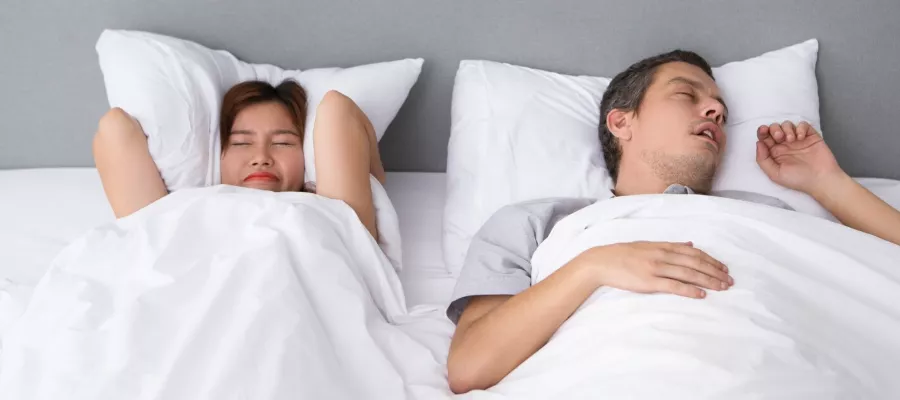
What Is Snoring?
Snoring is a condition of noisy breathing that occurs when tissues in the upper airway relax and vibrate during sleep. The throat and soft palate muscles relax while sleeping. As air passes through the narrowed airway, the tissues vibrate and produce the sound of snoring. Nasal congestion, excess weight, alcohol consumption, and sleeping on the back can increase snoring.
While snoring is sometimes a simple issue, in some individuals it may be a sign of sleep apnea. Persistent and loud snoring accompanied by breathing pauses should обязательно be evaluated. Snoring treatment is planned according to the underlying cause, and lifestyle changes are often effective.
What Is Sleep Apnea?
Sleep apnea is a serious sleep disorder characterized by repeated pauses in breathing during sleep. This condition develops due to airway narrowing or brain-related breathing control problems. The most common type is obstructive sleep apnea, which occurs when the upper airway collapses.
Breathing pauses may last several seconds and can recur many times throughout the night. Decreased oxygen levels, frequent awakenings, morning fatigue, and excessive daytime sleepiness are common symptoms. Loud snoring and gasping for breath are important warning signs. Diagnosis is usually made with a sleep test, and if untreated, it may increase the risk of heart disease.
What Is the Difference Between Snoring and Sleep Apnea?
Snoring is simply noisy breathing, whereas sleep apnea is characterized by temporary cessation of breathing. Snoring results from the vibration of soft tissues and is often mild. In sleep apnea, the airway completely collapses and oxygen levels drop.
During apnea, the person frequently wakes up and unknowingly struggles to breathe. This condition can negatively affect the heart, brain, and metabolism. If left untreated, sleep apnea significantly reduces quality of life. Not everyone who snores has apnea, and diagnosis is confirmed through testing.
What Causes Snoring and Sleep Apnea?
Excess weight, a narrow throat structure, and weak muscle tone may cause snoring and sleep apnea. Alcohol consumption, nasal congestion, smoking, age, and genetic factors also trigger this condition. When muscles relax during sleep, the tongue and soft tissues may block the airway.
This results in noisy breathing (snoring) or breathing pauses (apnea). Sleep position, especially lying on the back, also increases risk. In apnea, sleep is fragmented, and the person wakes up tired in the morning. Healthy lifestyle habits can reduce the risk.
How Are Snoring and Sleep Apnea Diagnosed?
Frequent awakenings, daytime fatigue, and loud snoring may be signs of sleep apnea. Associated symptoms include morning headaches, dry mouth, and the sensation of breathing pauses at night. Breathing cessation during sleep may be noticed by others.
During the day, lack of concentration, forgetfulness, and weakness are common complaints. For a definitive diagnosis, polysomnography (sleep test) should be performed. The test measures breathing and oxygen levels throughout the night. Accurate diagnosis plays a critical role in treatment planning. Specialist support should be sought in case of complaints.
How Is Snoring and Sleep Apnea Treated?
Treatment is carried out according to the severity of apnea and may include lifestyle changes, device use, or surgical intervention. In mild cases, weight loss and quitting alcohol and smoking are effective. In moderate and severe sleep apnea, a CPAP device is used. This device keeps the airway open during sleep. In some cases, oral appliances are recommended.
Surgical intervention may be preferred in cases of severe airway obstruction. Personalized planning increases treatment success. Sleep test results determine the treatment method. Early diagnosis facilitates the treatment process.
What Are Non-Surgical Treatment Methods?
Non-surgical treatments for snoring and sleep apnea include lifestyle changes, CPAP devices, and oral appliances. Weight control, regular sleep hours, and avoiding sleeping on the back are important. The CPAP device prevents obstruction by providing airflow.
Oral appliances prepared by a dentist regulate the position of the tongue and jaw. Nasal sprays or breathing strips may also be supportive. These methods provide highly successful results in mild and moderate cases. Treatment should be individualized and regularly monitored.
When Is Surgical Intervention Necessary?
Surgery is preferred in anatomical problems that narrow the airway and in cases that do not respond to other treatments. If there is a deviated septum, enlarged adenoids, tonsil enlargement, or soft palate sagging, surgery is recommended. Surgery is also considered in patients who cannot tolerate the CPAP device.
Uvulopalatopharyngoplasty (UPPP), tongue base reduction, or advanced jaw surgeries may be performed. The goal is to permanently widen the airway. The recovery process after surgery varies from person to person. With proper candidate selection, surgical success rates are high.
What Is a CPAP Device in Sleep Apnea?
A CPAP device is a respiratory support device that prevents apnea attacks by keeping the airway open during sleep. By providing continuous positive airway pressure, it prevents the tongue and soft tissues from blocking the airway. It works with a mask worn over the nose or mouth.
It is one of the most effective methods in treating moderate and severe sleep apnea. Its use requires adaptation but provides benefits in a short time. It improves sleep quality and reduces morning fatigue. When used regularly and correctly, CPAP also positively contributes to cardiovascular health.
What Are the Consequences of Untreated Sleep Apnea?
Untreated sleep apnea may lead to serious health problems ranging from heart disease to high blood pressure. Repeated breathing pauses during sleep lower blood oxygen levels and strain the heart. This condition increases the risk of hypertension, heart rhythm disorders, and heart attack. Untreated sleep apnea is also associated with stroke and diabetes development.
Chronic insomnia may cause attention problems and memory issues. Excessive daytime sleepiness increases the risk of work and traffic accidents. In the long term, quality of life decreases and chronic fatigue develops. Therefore, early diagnosis and appropriate treatment are crucial if symptoms of sleep apnea are present.
Snoring and Sleep Apnea Treatment Prices 2026
In 2026, snoring and sleep apnea treatment prices may range between 10,000 TL and 75,000 TL. A doctor’s examination is required for exact information. Current price research should always be conducted.
Frequently Asked Questions
What happens if sleep apnea is not treated?
Untreated sleep apnea may lead to heart disease, stroke, and serious decline in quality of life over time.
Does snoring always mean sleep apnea?
Not every case of snoring indicates sleep apnea; however, loud and irregular snoring may raise suspicion of apnea.
Is it difficult to use a CPAP device?
Although an adaptation period may be required at first, regular use of a CPAP device becomes easy and comfortable.
Does sleep apnea treatment become effective with weight loss?
Losing excess weight may reduce sleep apnea symptoms and positively affect the treatment process.
How are snoring and sleep apnea treated in children?
In children, the most common treatment method is surgical removal of enlarged adenoids or tonsils.
Can sleep apnea be completely cured with surgery?
With proper patient selection and appropriate surgical technique, sleep apnea may be completely resolved in some individuals.
Does sleep apnea cause daytime fatigue?
Sleep apnea, which causes frequent awakenings throughout the night, may result in significant daytime fatigue and weakness.
How is a sleep test performed?
A sleep test called polysomnography is a diagnostic method in which body functions are recorded overnight.
Can people with sleep apnea drive?
Untreated sleep apnea may pose serious risks while driving due to distraction and drowsiness.