

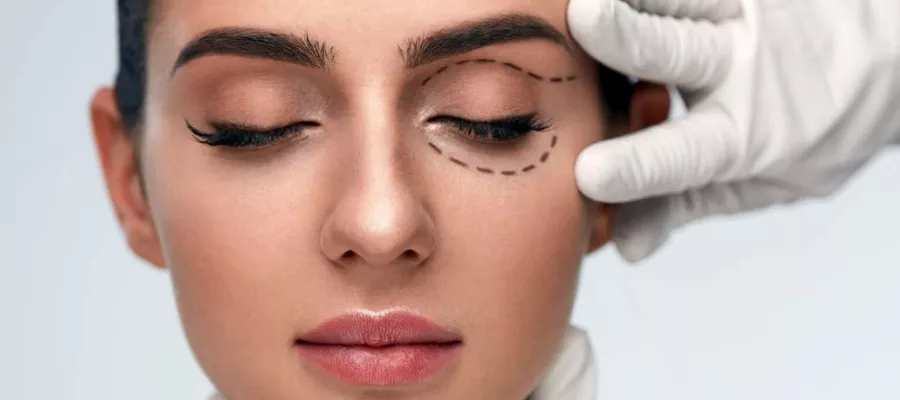
Eyelid surgery is a procedure aimed at achieving a younger and more vibrant appearance by removing excess skin and muscles around the eyes. Sagging upper eyelids, puffiness or wrinkles in the lower eyelids are common problems that occur with age. Eyelid surgery addresses these issues by removing excess skin or fat tissue.
The procedure is usually performed under local anesthesia and has a short recovery time. Swelling and bruising diminish within a few days. As a result, the eye area gains a fresher, livelier, and more youthful look. This intervention, done to complement the overall aesthetics of the face, gives permanent and natural results.
Why Is Eyelid Surgery Done?
Eyelid surgery is a surgical procedure performed to correct sagging, puffiness, and wrinkles around the eyes. As people age, skin sagging occurs in the upper eyelids, and puffiness and wrinkles form in the lower eyelids. This situation can cause both aesthetic concerns and physical problems that narrow the field of vision.
Eyelid surgery corrects these issues by removing excess skin and fat tissue. As a result, a younger, more energetic, and refreshed appearance is achieved. Additionally, aesthetic improvements around the eyes help create a healthier and more rested facial expression.
How Is Eyelid Surgery Done?
Eyelid surgery is a procedure that rejuvenates the eye area by removing excess skin and fat tissue. In upper eyelid surgery, excess skin on the eyelid is removed through an incision. This process makes the eye area appear more open and youthful.
In the lower eyelid, puffed fat tissue or excess skin is removed, sometimes with an incision made from the inside, which leaves no visible scar. The procedure is generally performed under local anesthesia and takes about 1–2 hours. Recovery is quick, and swelling and bruising subside within a few days. As a result, the eye area achieves a younger, more rested, and fresher appearance.
Who Is Suitable for Eyelid Surgery?
Candidates for eyelid surgery typically possess the following characteristics:
Those with noticeable skin sagging in the upper eyelid
Those with puffiness or hollowness in the lower eyelid
Those who look tired or sad due to the eye area
Those with a narrowed field of vision
Individuals with good general health and no serious illnesses that would prevent surgery
However, conditions such as chronic dry eyes, serious thyroid diseases, or uncontrolled diabetes should be carefully evaluated. Every aesthetic procedure is unique to the individual, so planning is done based on facial structure, skin quality, and expectations.
What Is the Recovery Process After Eyelid Surgery?
The recovery process after eyelid surgery is generally more comfortable than many people expect. Light swelling and bruising may occur in the first few days. This is temporary and typically reduces significantly within 7–10 days.
It is important to avoid activities that stress the eye area during the first week. Applying cold compresses, as recommended by the doctor, helps reduce swelling. Stitches are typically removed within 5–7 days or may dissolve on their own.
Important points to consider during recovery include:
Sleeping with the head elevated during the first days
Avoid rubbing the eyes
Regularly use the drops and creams prescribed by the doctor
Protect from the sun and wear sunglasses
Full recovery occurs within a few weeks. Scars gradually fade and blend into the natural eyelid fold.
Is Eyelid Surgery Permanent?
Eyelid surgery is a procedure that maintains its results for many years. Upper eyelid surgery usually lasts for 10–15 years in most people. Lower eyelid surgery generally provides more permanent results.
However, as the aging process continues, the skin may loosen again over time. This does not mean the surgery was unsuccessful; it is simply a part of the natural aging process.
Healthy lifestyle habits, regular skincare, and protection from the sun can help preserve the results of the surgery for a longer period.
Are There Any Risks with Eyelid Surgery?
As with any surgical procedure, eyelid surgery carries some risks. However, when performed by an experienced surgeon under the right conditions, these risks are minimal.
In rare cases, infection, bleeding, temporary blurry vision, or dry eyes may occur. In very rare situations, asymmetry in the eyelid position may develop. To avoid such complications, detailed evaluation before the surgery and follow-up visits afterward are crucial.
Factors such as the patient’s smoking habits, general health status, and recovery capacity also affect the risk level.
What Affects the Cost of Eyelid Surgery?
The cost of eyelid surgery depends on various factors. It is not possible to provide an exact price, as each patient’s needs are different.
The main factors affecting the cost are:
Whether the procedure is performed on just the upper eyelid, lower eyelid, or both
The surgeon’s experience and specialization
The hospital or clinic conditions where the surgery will be performed
Type of anesthesia used
Whether additional procedures (such as brow lifts) are performed together
It is important to remember that in aesthetic surgeries, the most important criteria are not price but safety and expertise. Proper planning and an experienced team ensure long-term satisfaction.
Does Eyelid Surgery Look Natural?
The most common concern regarding eyelid surgery is, “Will my eyes change?” However, successful blepharoplasty does not alter the shape of the eyes. It only removes excess skin and puffiness.
The goal is not to create more almond-shaped or different eyes but to rejuvenate the existing structure. When done with the right technique, the surgery is undetectable. People around you often comment, “You look rested” or “Your face looks brighter.”
Natural results are directly related to the surgeon’s aesthetic perspective. An approach that respects the overall proportions of the face and avoids exaggeration yields the best outcome.
What Procedures Can Be Combined with Eyelid Surgery?
Eyelid surgery can be combined with other procedures that complement facial aesthetics and provide a natural look. The most common combinations include facelifts, brow lifts, and botox treatments. A facelift provides tightening in the chin and neck areas along with sagging around the eyes.
Brow lifts, particularly, more effectively correct sagging in the upper eyelid. Botox helps relax mimic muscles and reduce fine lines around the eyes. Additionally, medical procedures like lip fillers and chin aesthetics can balance facial features. These combinations are preferred to achieve a younger and more vibrant facial appearance.
Frequently Asked Questions
What age should eyelid surgery be done?
Eyelid surgery is typically performed starting from the age of 35, although this age may vary based on personal needs.
Does eyelid surgery leave a scar?
In upper eyelid surgery, the incision is hidden in the natural eyelid fold, making the scars invisible. Lower eyelid surgery can be done through an incision inside the eyelid, leaving no visible scar. However, in some cases, external incisions may leave a scar, but this scar fades over time and is usually not very noticeable.
Can eyelid surgery be done without surgery?
Yes, non-surgical eyelid treatments are possible and can be performed with methods like botox, fillers, and laser.
How many months does it take for eyelid surgery to heal?
The recovery process from eyelid surgery usually takes 1–2 months.
How many months does it take for eyelid surgery to settle?
The results of eyelid surgery usually settle completely within 1–3 months.