


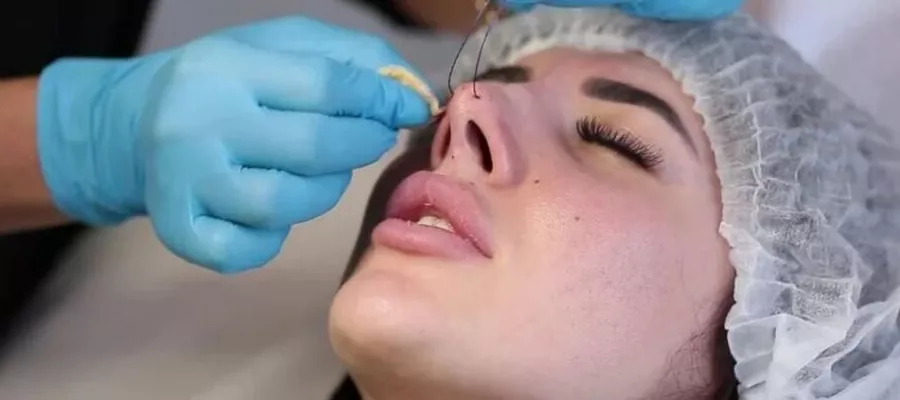
Nasal tip surgery is a surgical intervention aimed at correcting shape abnormalities in the tip of the nose. This procedure addresses issues such as drooping, width, cartilage excess, or asymmetry in the nose tip. Typically performed using open or closed techniques, this surgery can be done alongside rhinoplasty or as a standalone procedure.
Nasal tip surgery requires careful planning to make the nose’s appearance natural and harmonious. The recovery process generally takes 1-2 weeks, but the final results appear after a few months. As a result, a more aesthetic and balanced nose profile is achieved.
Who Is Suitable for Nasal Tip Surgery?
Nasal tip surgery is usually preferred by individuals who have aesthetic concerns or are bothered by the shape of their nose tip. This procedure is suitable for both men and women of all age groups and is typically recommended for individuals with the following characteristics:
- Those with drooping nose tips: A drooping tip can give a person a tired and aged expression. Nasal tip surgery can correct this drooping.
- Asymmetrical nose tip: An asymmetrical nose tip can cause an imbalanced appearance of the face. This procedure helps make the nose tip symmetrical.
- Large nostrils: Large nostrils may appear disproportionate to the person’s face. Nasal tip surgery can reduce the size of the nostrils.
- Genetic deformities: Congenital nose tip shape abnormalities can cause discomfort for the person. These deformities can be corrected through aesthetic surgery.
Nasal tip surgery is generally suitable for individuals over the age of 18 who are in good health. When deciding on aesthetic surgery, it is important for the individual to realistically evaluate the desired outcome.
How Is Nasal Tip Surgery Done?
Nasal tip surgery is a surgical procedure performed to correct shape abnormalities in the nose tip. The procedure typically involves reshaping the cartilage structure in the nose tip. Small incisions are made inside the nose or sometimes using an open technique on the nose tip. The cartilage is removed, reshaped, or corrected as necessary.
If the nose tip is wide, the cartilage tissue can be thinned or repositioned. The surgery is usually performed under local anesthesia and lasts 1-2 hours. The recovery process progresses quickly within 1-2 weeks, but the final results become visible after 3-6 months.
Recovery Process After Nasal Tip Surgery
Nasal tip surgery typically has a fast recovery process. Since the surgery is minimally invasive, the healing process is generally more comfortable. However, there are a few important things to consider during this time:
- First Few Days: Light swelling and bruising may occur in the first few days. This is normal and usually resolves within 3-5 days. These symptoms around the nose area can be reduced with cold compress applications.
- Pain and Discomfort: Nasal tip surgery is usually painless, but mild discomfort may be felt. However, this typically subsides within a few days.
- Nasal Tip Appearance: In the first week, due to swelling, the appearance of the nose tip may not be fully clear. The shape of the nose tip will become evident once the swelling goes down, which may take several weeks.
- Cleaning the Nose: It is important to be careful when cleaning the nose after surgery. You can use special sprays or drops as prescribed by your surgeon to clean the inside of the nose.
- Stitches: Most of the stitches used in nasal tip surgery are dissolvable, so they do not need to be removed, but it is important to follow your doctor’s advice.
Being patient during the recovery process and following the doctor’s instructions will help achieve the desired results. You can usually return to your normal life within 1-2 weeks.
Is Nasal Tip Surgery Permanent?
Nasal tip surgery offers very permanent results when performed correctly. The procedure corrects shape abnormalities in the nose tip, providing lasting results for most patients. However, as the aging process continues, the skin around the nose tip may loosen slightly over time. Still, the results achieved with proper surgery are generally satisfying for many years.
Like any surgical procedure, nasal tip surgery can change over time due to environmental factors and genetic characteristics. Prolonged exposure to sunlight, smoking, and similar factors can affect the healing process and long-term results. Therefore, maintaining a healthy lifestyle and skincare can help extend the durability of the results.
What Are the Risks of Nasal Tip Surgery?
Although nasal tip surgery is a minimal procedure, it does carry some risks, as with any surgical intervention. However, these risks are quite low when performed by an experienced surgeon. Possible risks related to nasal tip surgery include:
- Infection: There is always a risk of infection after surgery. However, maintaining good hygiene and following the doctor’s instructions can minimize this risk.
- Swelling and Bruising: Swelling and bruising may occur after surgery. This generally resolves within a few days.
- Asymmetry: Asymmetry may occur in the nose tip. This may not be a surgical error but could be related to the healing process and how the tissues shape. However, such issues can typically be corrected with revision surgery.
- In rare cases, the shape of the nose tip may not be natural. However, an experienced surgeon can usually identify and address such issues beforehand.
Frequently Asked Questions
What is the age limit for Nasal Tip surgery?
Nasal tip surgery is generally suitable for individuals aged 18 and older.
Is Nasal Tip surgery difficult?
Nasal tip surgery is generally not a complex procedure, but it requires careful planning and expertise.
Will there be a loss of smell after Nasal Tip surgery?
Typically, there is no loss of smell after Nasal Tip surgery, though there may be a temporary reduction in the sense of smell.
Can Nasal Tip surgery be done under local anesthesia?
Yes, Nasal Tip surgery is usually done under local anesthesia.
When can I return to normal life after Nasal surgery?
The return to normal life after Nasal surgery usually takes 1-2 weeks.