


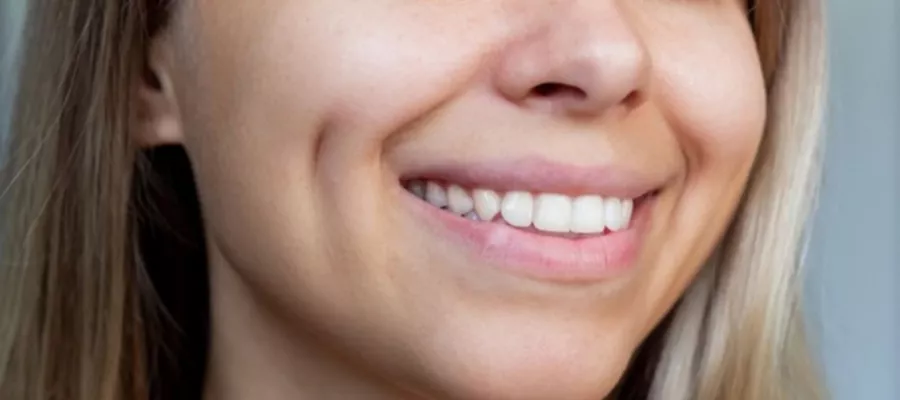
Dimple surgery is a minor surgical procedure done to create a natural-looking cheek dimple. It is usually performed with local anesthesia, with a small incision made inside the mouth and a fine stitch placed in the tissue. The procedure can take 20-30 minutes, you are discharged the same day, and swelling usually goes down within a few days.
A permanent dimple usually settles over time; it becomes more visible when smiling and looks softer at rest. Before dimple surgery, facial anatomy is evaluated, and risks such as asymmetry, infection, and suture marks are explained. For the best result, choose an experienced physician, follow aftercare instructions, and clarify dimple surgery prices during the consultation.
How Is Dimple Surgery Performed?
Dimple surgery is typically a short procedure performed in a clinical setting under local anesthesia. The procedure time usually varies between 20-30 minutes. It does not require operating room conditions, and the patient can return to daily life the same day. First, the surgeon determines the dimple location together with the patient.
This step is very important because the dimple position should match the facial proportions. Then a small incision is made inside the mouth, and a controlled connection is created between the cheek muscle and the skin. Thanks to this connection, the skin is pulled inward when the person smiles, creating the dimple appearance. There is no external incision scar.
Because the procedure is done entirely inside the mouth, there is no scar risk from an aesthetic point of view. In the first few weeks, the dimple may look noticeable even without facial movement. After the healing process is complete, the dimple appears mainly when smiling and gains a natural look.
Is Dimple Surgery Permanent?
Dimple surgery is generally permanent, but it can vary depending on healing and tissue structure. In the procedure, a controlled connection is created inside the cheek, and this connection strengthens over time, increasing the permanence of the dimple. In the first weeks, the dimple may look constantly visible; in the following months, it becomes more natural and is usually more noticeable when smiling.
In rare cases, the stitch may loosen, the tissue may heal differently than expected, or the dimple may fade due to facial structure. In that situation, a revision may be needed. To improve permanence, proper planning, choosing an experienced physician, and fully following aftercare recommendations after dimple surgery are important.
Who Is Dimple Surgery Suitable For?
Dimple surgery is suitable for people who want to add a more charming look to their facial expression and who have good general health. However, as with any aesthetic procedure, certain criteria are considered.
Suitable candidates for dimple surgery usually have the following:
Being 18 years old or older
Having good general health
No significant facial asymmetry
Having realistic expectations
No active infection or serious systemic disease
After an evaluation based on these criteria, the surgeon creates a personalized plan. Especially in individuals with a very thin or very full face, the dimple position and depth are planned more carefully.
What Is the Recovery Process After Dimple Surgery?
Dimple surgery recovery is usually fast, and most people return to daily life within a few days. In the first 24-72 hours, swelling and mild bruising on the cheek can occur, which is normal. Because the incision is inside the mouth, oral hygiene is maintained with the mouth rinse recommended by the doctor, and soft foods are preferred in the first days.
Pain is usually mild; standard pain relievers may be enough. Stitches may dissolve on their own or be removed at a follow-up visit. In the first weeks, the dimple may look constantly visible, and over time it settles into a natural look. If you notice infection, asymmetry, or excessive swelling, contact your doctor immediately.
Are There Any Risks of Dimple Surgery?
Dimple surgery is generally safe when performed by an experienced specialist. However, as with any surgical procedure, some risks may occur.
The most common issues are mild swelling, bruising, and a temporary feeling of asymmetry. In rare cases, an infection may develop. For this reason, follow-up visits should not be neglected.
Problems such as the dimple being too deep or forming in a different spot than desired usually come from planning errors. That is why detailed analysis and clear patient-doctor communication are essential before the procedure.
What Determines the Cost of Dimple Surgery?
Dimple surgery prices vary depending on many factors. It is not accurate to give a single fixed number because costs can differ based on the city of the clinic, the doctor’s experience, and the scope of the procedure.
Main factors that affect the cost include:
The experience of the surgeon performing the procedure
The clinic’s facilities and the city it is located in
Whether the dimple is done on one side or both sides
Whether it is performed together with additional aesthetic procedures
In aesthetic procedures, safety and expertise are as important as price. For this reason, instead of focusing only on cost, attention should be paid to procedure quality and the physician’s experience.
Does Dimple Surgery Look Natural?
Can Dimple Surgery Be Permanently Removed?
Although dimple surgery is planned as a permanent procedure, some people may want to give up the dimple in later years. In such cases, the dimple connection can be loosened with a small revision procedure.
However, a complete return to the previous state is not always guaranteed. For this reason, it is important to think the decision through carefully before the procedure. In aesthetic procedures, the healthiest approach is to aim for long-term satisfaction rather than a temporary trend.
What Should You Consider Before Getting Dimple Surgery?
Before getting dimple surgery, it is necessary to go through a detailed research process. Not every result seen on social media may be suitable for you. Every face has different proportions and structure.
Before the procedure, a facial analysis should be done, and the dimple location should be determined together. Expectations should also be expressed clearly. In aesthetic interventions, good communication directly affects satisfaction rates.
Even though it may look like a small touch, dimple surgery can completely change facial expression. For this reason, the decision should not be rushed, and you should be sure you are ready both aesthetically and psychologically.
Frequently Asked Questions
Is dimple surgery difficult?
Dimple surgery is usually not difficult; it is a simple, short surgical procedure performed with local anesthesia.
Does dimple surgery leave a scar?
Dimple surgery usually does not leave a noticeable scar because it is performed inside the mouth.
Which procedures can dimple surgery be combined with?
Dimple surgery can be combined with procedures that complement facial aesthetics, either in the same session or at a different time.
Will the dimple be visible all the time after dimple surgery?
After dimple surgery, the dimple may appear more often in the first weeks, and over time it usually becomes noticeable mainly when smiling.
Is dimple surgery painful?
Dimple surgery is usually not very painful; thanks to local anesthesia, you do not feel pain during the procedure.